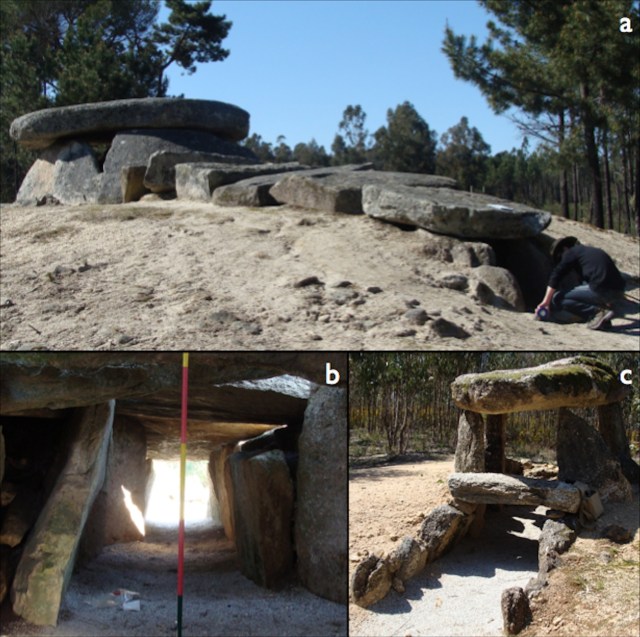
 : A 6,000-year-old telescope without a lens – Astronomy Now
wild!
What goes through my my mind when I read the news with my morning coffee. …Or for the Simon's Rockers in the group, this is my response journal.

Analysis of ozone levels above Antarctica shows September “hole” is shrinking.
Ozone Layer Showing First Signs of Recovery
hmmm
Greenpeace was targeted by 100 Nobel laureates who signed a letter calling on the group to end its campaign against genetically modified organisms (GMOs).
Greenpeace to Nobel Laureates: It’s Not Our Fault Golden Rice Has ‘Failed as a Solution’
hmmm
A 5,000-year-old whalebone figurine, one of the oldest representations of a human form found in Britain, has been rediscovered after going missing for more than 150 years.
Lost 5,000-Year-Old Neolithic Figurine Rediscovered in Scotland
cool!
ROME >> Italian and French archaeologists have discovered four skeletons and gold coins in the ruins of an ancient shop on the outskirts of Pompeii, officials said Friday.
Archaeologists discover trove of coins, skeletons on outskirts of Pompei
cool.
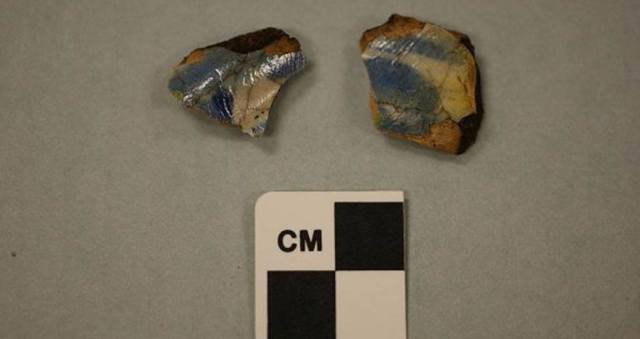
Archaeologists at Roanoke Island, North Carolina have just found 400-year-old artifacts believed to be from the mysterious Lost Colony, the first English settlement in North America.
On July 22, 1587, following in the footsteps of a group of colonists who’d settled there a few years prior, the English arrived at Roanoke. However, all they found from that first group was a skeleton, and within about three years, they themselves would be gone.
When an English mission to resupply the Roanoke Colony made landfall on August 18, 1590, no settlers were found, only the letters “CRO” carved into a tree and the word “Croatan” carved into a fence post nearby.
However, despite sometimes wild theorizing about what strange, tragic fate befell the colonists, the answer is likely quite simple: They went to live with the Croatan Native Americans on nearby Hatteras Island.
In fact, with a number of people on the Island subsequently showing a mixed English/Native America phenotype and speaking a likewise dialect, it’s all but certain that the Roanoke colonists and the Croatan simply began living as one.
…And while the ultimate mystery of the Lost Colony may actually be no mystery at all, finds like Deetz’s will help reconstruct this crucial moment in American history.
hmmmm
Nearly four years after the body of King Richard III was discovered under a parking lot, a new search is on for another English king, Henry I, under pavement.
Search for Another King Under a Parking Lot Begins
hmmm
Hunter-gatherers and farmers coexisted in Europe for 2,000 years, after which the hunter-gatherers may have either died out or retreated to other lands.
Ancient European Farmers and Hunter-Gatherers Coexisted, Sans Sex
hmmmm
Massive structures that housed ancient Greek warships thousands of years ago were recently excavated near Athens by a team of underwater archaeologists.
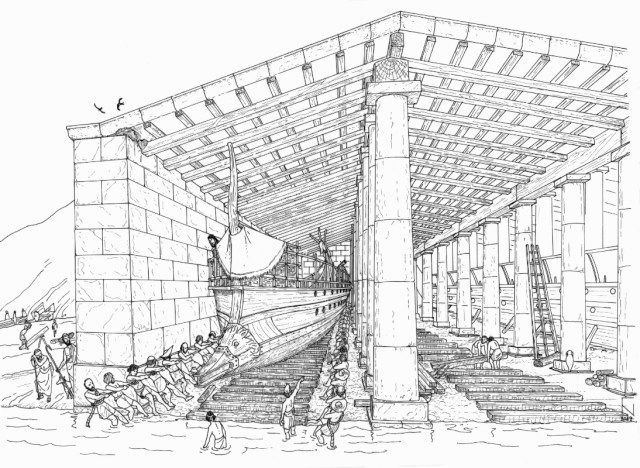
Ancient Greek Naval Base Held Hundreds of Warships
cool.
More than a dozen Sanders staffers will aim to help organize millennials around climate issues and keep them engaged in the political process.
What’s Next For a Dozen Bernie Sanders Staffers? – NBC News
hmmmm
In a recent experiment, students investigated how the Neolithic people of Britain might have constructed Stonehenge, including how they transported the massive stones over great distances.
Heave-Ho! Stonehenge Experiment May Show How Monument Was Built
hmmm
An ancient necropolis with 5,000 years’ worth of tombs includes the skeleton of an aristocratic lady with a flattened forehead.
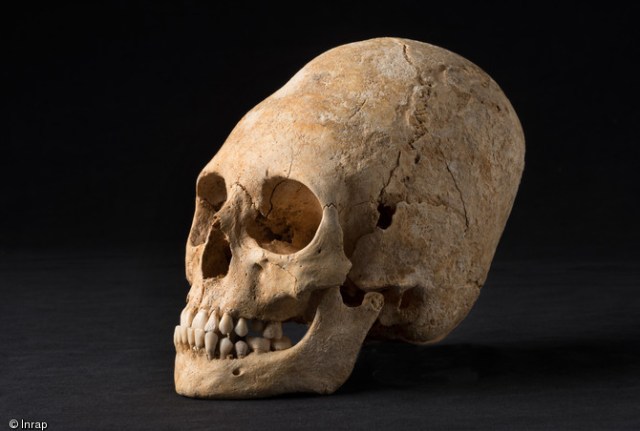
Weird Deformed Skull and Stone Age Tombs Unearthed in France
Wild!
The base of the Great Pyramid at Giza is a little lopsided because its builders made a teensy mistake when constructing it, new research reveals.
Great Pyramid of Giza Is Slightly Lopsided
hmmmm
Opposition to the proposed TransMountain pipeline ramped up today as Coast Salish Tribes on both sides of the U.S.-Canadian border vowed to continue to fight the project.
Northwest Tribes Vow to Continue Opposition to Canadian Pipeline | Earthjustice
hmmm
Hawai‛i’s people recently took the next step in the battle to protect themselves and their environment from genetically engineered crops.
Hawai‛i’s Fight Against GMOs Rages On | Earthjustice
Sigh…
States are struggling to deal with the potentially dangerous drilling byproducts that are being dumped in landfills throughout the Marcellus Shale.
Fracking produces tons of radioactive waste. What should we do with it? | Grist
Seriously? Why is this even a question? How about ban it and make the companies who fucked up the country side fix it or shut them the fuck down?
Sigh…
Originally found in the remains of a shipwreck of an ancient merchant ship that is believed to have sunk between 150-70 BC…
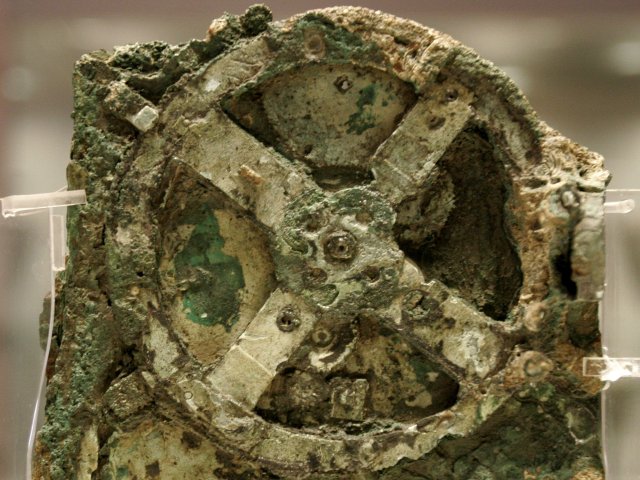
[In] 1902 when Valerios Stais, the Director of the National Archaeological Museum in Athens, took notice of the great embedded in a rock. Stais believed it to be an astronomical clock, which was dismissed due to the preconceptions of technology only adapting to be able to make such equipment in the 14th century.
“It’s like a textbook of astronomy as it was understood then, which connected the movements of the sky and the planets with the lives of the ancient Greeks and their environment.”
cool.
Researchers have detected gravitational waves for the second time, opening up a new field of astronomical research.
‘Astronomy of the 21st century’: LIGO spots gravitational waves again – CSMonitor.com
hmmm
Dolphins at the National Aquarium in Baltimore could help transform the way sea life is held in captivity…
Within five years, the aquarium wants to move the dolphins to a sanctuary along an ocean front. They are looking at places like Florida and the Caribbean where the site will allow the dolphins to interact with other sea life.
“There’ll be crabs on the bottom and lobsters perhaps finding their way into crevices, jellyfish will drift in and out, but these dolphins need to learn how to cope with every single one of those natural features,” National Aquarium CEO John Racanelli said.
National Aquarium to move dolphins to seaside sanctuary – CBS News
cool.
Despite pressures from overfishing and changing ocean conditions, some coral reefs around the world manage to defy expectations.
By examining what’s going right at these bright spots — and wrong at the dark spots — scientists hope to find new insights for confronting the numerous problems coral reefs face today.
Coral reef census will help scientists protect fragile underwater habitats – LA Times
hmmmm
NASA’s “Mars Explorers Wanted” posters are perfect for any room in your home—especially the rec room.

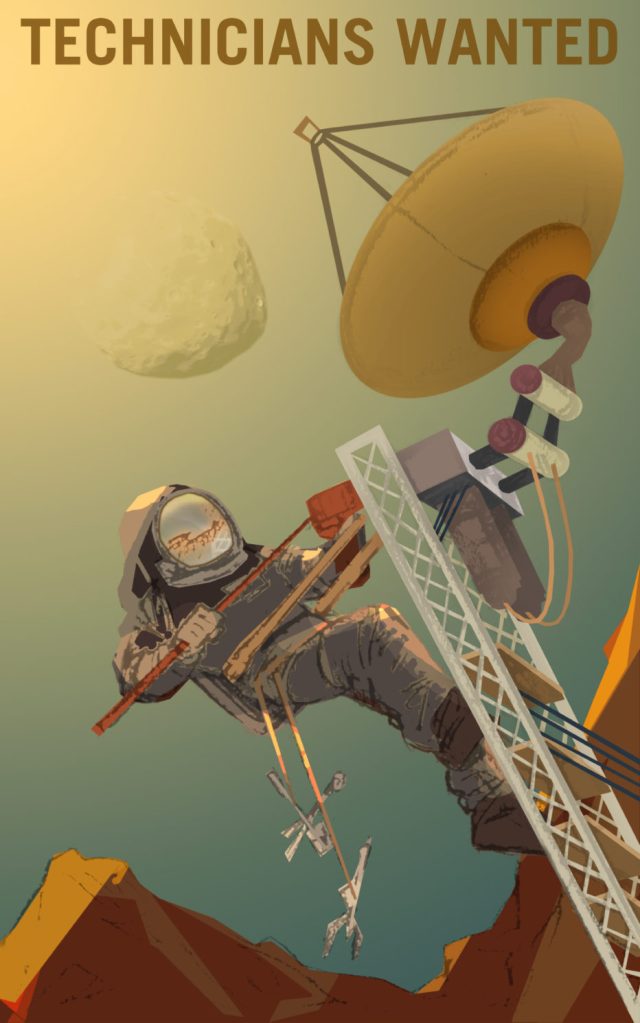
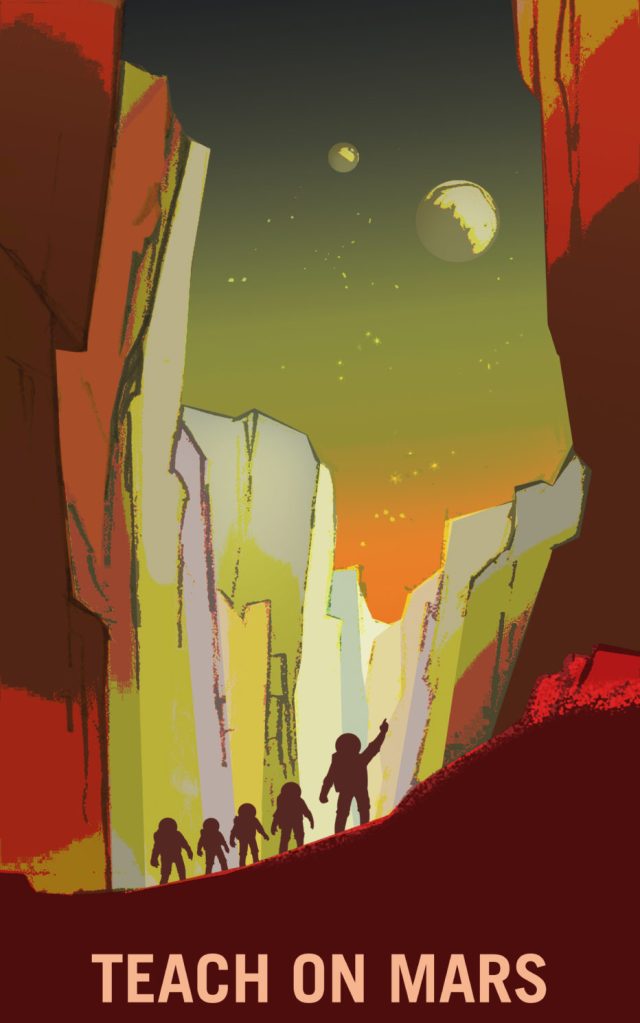
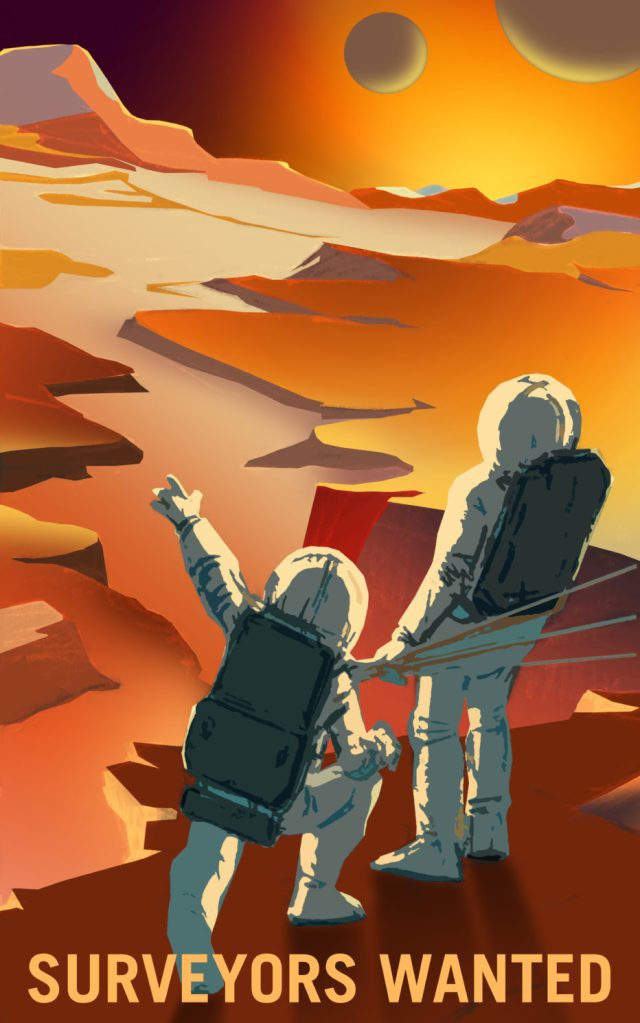

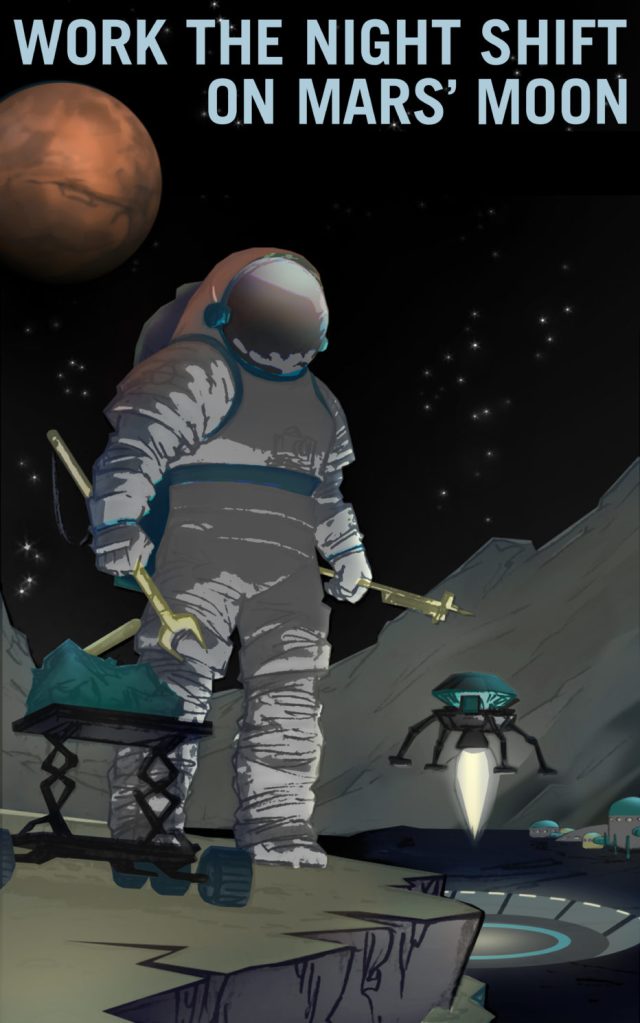

Clear Some Wall Space and Download These NASA Recruitment Posters Now | WIRED
cool!

 Comments From The Peanut Gallery